Healthy Vs Unhealthy Relationships
Understanding the difference between healthy vs unhealthy relationships is crucial for anyone looking to build stronger, more meaningful connections. Whether you're in a romantic partnership, friendship, or family dynamic, knowing what makes a relationship thrive—or harm—can lead to greater emotional well-being and personal growth.
A healthy relationship is built on mutual respect, open communication, trust, and support. Both individuals feel valued and heard, and there's a sense of safety and comfort. On the other hand, an unhealthy relationship often involves control, manipulation, lack of respect, or emotional abuse. Recognizing these differences early can help prevent long-term damage and promote healthier interactions.
Why Understanding Healthy vs Unhealthy Relationships Matters
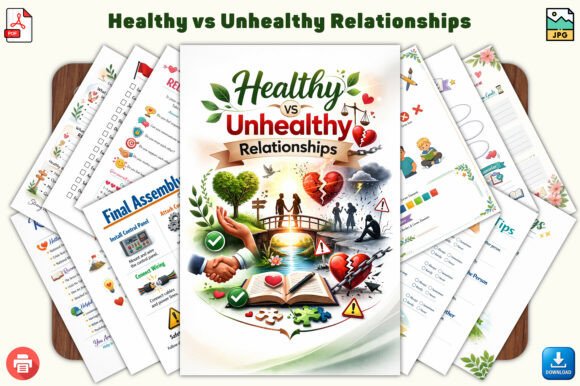
For many people, especially teens and young adults, navigating relationships can be confusing. The Healthy vs Unhealthy Relationships: A 25-Page Printable Guide Reflection Workbook provides a structured way to explore these dynamics. It’s designed to help users identify red flags, understand communication styles, and set boundaries effectively.
This workbook includes practical tools like self-assessment checklists, reflection journal pages, and boundary-setting worksheets. These features make it easy to apply the concepts to real-life situations. Whether you're using it for personal growth, therapy sessions, or classroom discussions, this resource offers a clear and supportive framework.
What Makes This Workbook Unique?
One of the standout features of this guide is its focus on both red flags and green flags. By comparing negative and positive behaviors, users can better recognize what to avoid and what to encourage in their relationships. The workbook also includes communication skills guidance, which helps individuals express their needs and listen more effectively.
The 25-page format ensures that each topic is covered thoroughly without overwhelming the reader. With space for writing and reflection, it encourages deep thinking and self-exploration. The clean layout and high-quality print-ready PDF make it easy to use digitally or in print.
Who Can Benefit from This Guide?
This workbook is perfect for a wide range of individuals. Teens and young adults can use it to develop healthy relationship habits early on. Couples may find it helpful in strengthening their bond or addressing existing issues. Counselors and educators can incorporate it into their work with clients or students.
Professionals who work in mental health, education, or coaching will appreciate the versatility of this tool. It can be used in workshops, group settings, or as a personal development resource. Small business owners and bloggers might find it useful for creating content around relationship health or offering it as part of a service package.
Real-Life Applications
Imagine you're helping a student navigate a difficult friendship. Using this workbook, you can guide them through identifying red flags and setting boundaries. Or picture a couple working together to improve their communication. The reflection journal pages provide a safe space for both partners to express their thoughts and feelings.
Another example could be someone going through a breakup. The workbook’s self-assessment checklists can help them reflect on what went wrong and what they need moving forward. This kind of self-reflection is essential for healing and building healthier future relationships.
Considerations Before Getting Started
While this workbook is a valuable tool, it’s important to approach it with an open mind and willingness to engage deeply with the material. Relationship health is a continuous process, and no single resource can solve all problems. However, using this guide can be a great first step toward making positive changes.
If you're new to exploring relationship dynamics, consider pairing this workbook with additional resources like books, podcasts, or counseling services. It’s also wise to seek professional guidance if you're dealing with serious issues like emotional abuse or trauma.
Getting the Most Out of the Workbook
To maximize the benefits of this guide, take your time with each section. Don’t rush through the exercises—reflect on your experiences and write down your thoughts. You can revisit the workbook periodically to track your progress and adjust your strategies as needed.
Sharing the workbook with others can also be beneficial. Whether you're working with a partner, friend, or client, discussing the content together can foster deeper understanding and connection. This collaborative approach can lead to more meaningful insights and lasting improvements in your relationships.
Ultimately, the goal of this workbook is to empower individuals to create healthier, more fulfilling relationships. By recognizing the signs of unhealthy patterns and learning how to communicate and set boundaries effectively, anyone can take steps toward emotional well-being and personal growth.