ADHD Organization Planner: A Simple, Focused Distraction-Free Planning System for Everyday Productivity
Staying organized can be a challenge for anyone, but for those with ADHD, it often feels like an uphill battle. The constant influx of distractions, difficulty prioritizing tasks, and challenges with time management can make even the simplest routines feel overwhelming. However, with the right tools, it's possible to regain control over daily life and build sustainable habits that support long-term success. One such tool is the ADHD Organization Planner, a carefully designed resource tailored specifically for individuals seeking clarity, simplicity, and real-life usability in their planning systems.
This planner isn't just another generic calendar or task list—it's a comprehensive system built with ADHD-friendly principles in mind. It combines practicality with psychological insights to help users manage their time, energy, and focus without feeling pressured or overwhelmed. Whether you're a student, professional, creative, or someone managing personal goals, this planner offers a structured yet flexible approach to organization that adapts to your unique needs.
What Makes This Planner Unique?
The ADHD Organization Planner stands out from other planning tools due to its emphasis on minimalism, structure, and user-centric design. Unlike traditional planners that may be cluttered with too many features or complex layouts, this one focuses on what truly matters: helping users stay focused, reduce stress, and build better daily habits. Its clean, distraction-free layout ensures that users aren't overwhelmed by unnecessary details, allowing them to concentrate on what's important at any given moment.
Designed with input from experts in ADHD research and practical experience from users, this planner incorporates proven strategies for improving time awareness, task management, and overall productivity. It’s not about perfection; it's about creating a system that works for you, no matter how your day unfolds.
Key Features of the ADHD Organization Planner
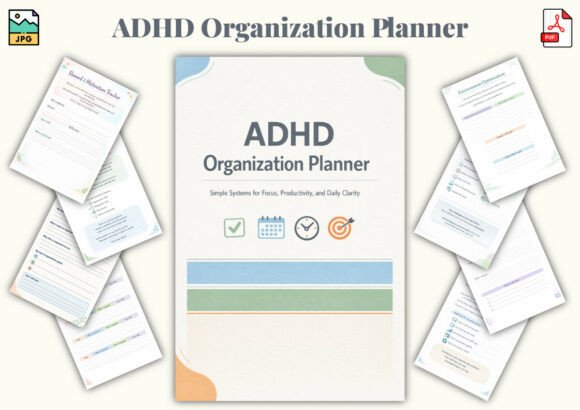
With 30 beautifully designed pages, this planner provides a wide range of tools to support different aspects of daily life. Each page is crafted to serve a specific purpose, ensuring that users have access to everything they need in one place. Here are some of the key components included:
- Welcome Guide: A brief introduction to the planner and tips on how to get started.
- Brain Dump Pages: Space to jot down thoughts, ideas, and tasks that come to mind throughout the day.
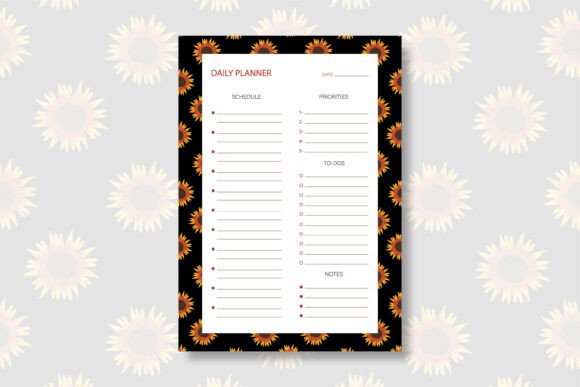
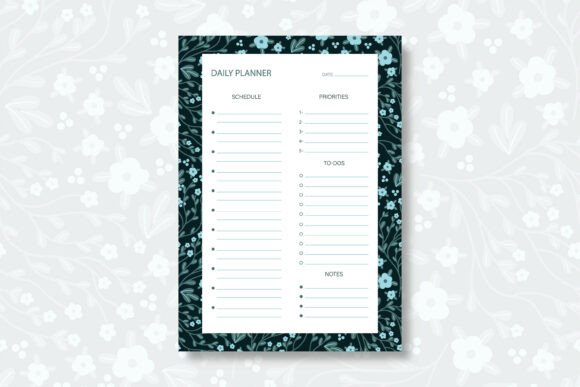
- Daily Focus Planner: A structured format for planning each day's priorities and activities.
- Weekly Overview: A high-level view of the week ahead, helping users see patterns and plan more effectively.
- Task Breakdown Worksheets: Tools for breaking down larger projects into manageable steps.
- Priority Matrix: A visual aid for identifying which tasks are most important and urgent.
- Habit Tracker: A simple way to monitor and build consistent daily routines.
- Time Awareness Tracker: Helps users become more aware of how they spend their time throughout the day.
- Distraction Log: A space to record distractions and identify patterns that may be affecting focus.
- Focus Session Planner: Designed to help users create dedicated blocks of time for deep work or important tasks.
- Energy Tracker: A tool to track energy levels throughout the day and align tasks with peak productivity times.
- Routine Builder: Assists in developing personalized routines that fit individual schedules and preferences.
- Clutter Digital Organization Pages: Tips and tools for organizing digital spaces, reducing mental clutter.
- Progress Tracker: A way to monitor progress toward goals and celebrate small victories along the way.
- Self-Care Planner: Encourages users to prioritize self-care and maintain a healthy balance between work and rest.
- Monthly Review Reflection: A space to reflect on the past month, assess what worked, and make adjustments for the future.
- Notes Pages: Flexible space for any additional notes, reminders, or brainstorming sessions.
These features are thoughtfully arranged to provide a seamless user experience, making it easy to navigate from one section to another without feeling lost or confused.
Why You’ll Love Using This Planner
One of the biggest advantages of the ADHD Organization Planner is its clean, minimalist design. By eliminating unnecessary elements and focusing on what truly supports productivity, it helps users avoid the common pitfalls of traditional planners—such as feeling overwhelmed or distracted by too much information. This makes it ideal for individuals who struggle with attention issues, as it allows them to focus on one task at a time without being sidetracked by unrelated details.
Another benefit is the flexibility it offers. While the planner provides structure, it doesn't enforce rigid rules or expectations. Users can adapt the system to their own needs and preferences, making it a highly customizable tool that grows with them over time. Whether you prefer to plan every single task in advance or only set a few priorities each day, this planner accommodates both approaches.
Additionally, the ADHD Organization Planner includes tools that help users develop better time awareness and focus. For example, the time awareness tracker encourages users to reflect on how they spend their time, while the focus session planner helps them create dedicated blocks of time for deep work. These features are especially valuable for individuals who find it difficult to stay on task or estimate how long certain activities will take.
Real-World Applications and Use Cases
The ADHD Organization Planner is suitable for a wide range of users, from students and professionals to creatives and entrepreneurs. Here are a few examples of how different people might use this planner in their daily lives:
- Students can use the brain dump pages to organize study materials, the task breakdown worksheets to prepare for exams, and the habit tracker to develop consistent study routines.
- Professionals can leverage the daily focus planner to manage their workload, the weekly overview to plan meetings and deadlines, and the progress tracker to monitor project timelines.
- Creatives can use the routine builder to establish a workflow that supports their creative process, while the distraction log helps them identify and minimize interruptions.
- Entrepreneurs can utilize the priority matrix to determine which business tasks are most important, and the monthly review reflection to assess the effectiveness of their strategies.
No matter what your role or lifestyle, the ADHD Organization Planner offers a versatile solution that can be adapted to your specific needs. It’s not just about managing tasks—it’s about building a system that supports your unique way of thinking and working.
Getting Started with the ADHD Organization Planner
To begin using the ADHD Organization Planner, start by reviewing the welcome guide to understand how each section functions. Spend some time exploring the different pages and identifying which ones align with your current goals and challenges. There's no need to use every feature right away—take it step by step and adjust as needed.
One effective strategy is to start with the brain dump pages and the daily focus planner. Use these sections to capture your thoughts and plan your day based on what feels most important. As you become more comfortable with the planner, you can gradually incorporate additional tools, such as the habit tracker or time awareness tracker.
It's also helpful to revisit the monthly review reflection periodically to assess your progress and make adjustments to your planning system. Remember, the goal is not to follow a strict schedule but to create a flexible framework that supports your well-being and productivity.
Incorporating the ADHD Organization Planner into your daily routine can lead to significant improvements in focus, time management, and overall organization. With its user-friendly design, practical tools, and ADHD-friendly approach, it's a valuable resource for anyone looking to simplify their planning process and build better daily habits.